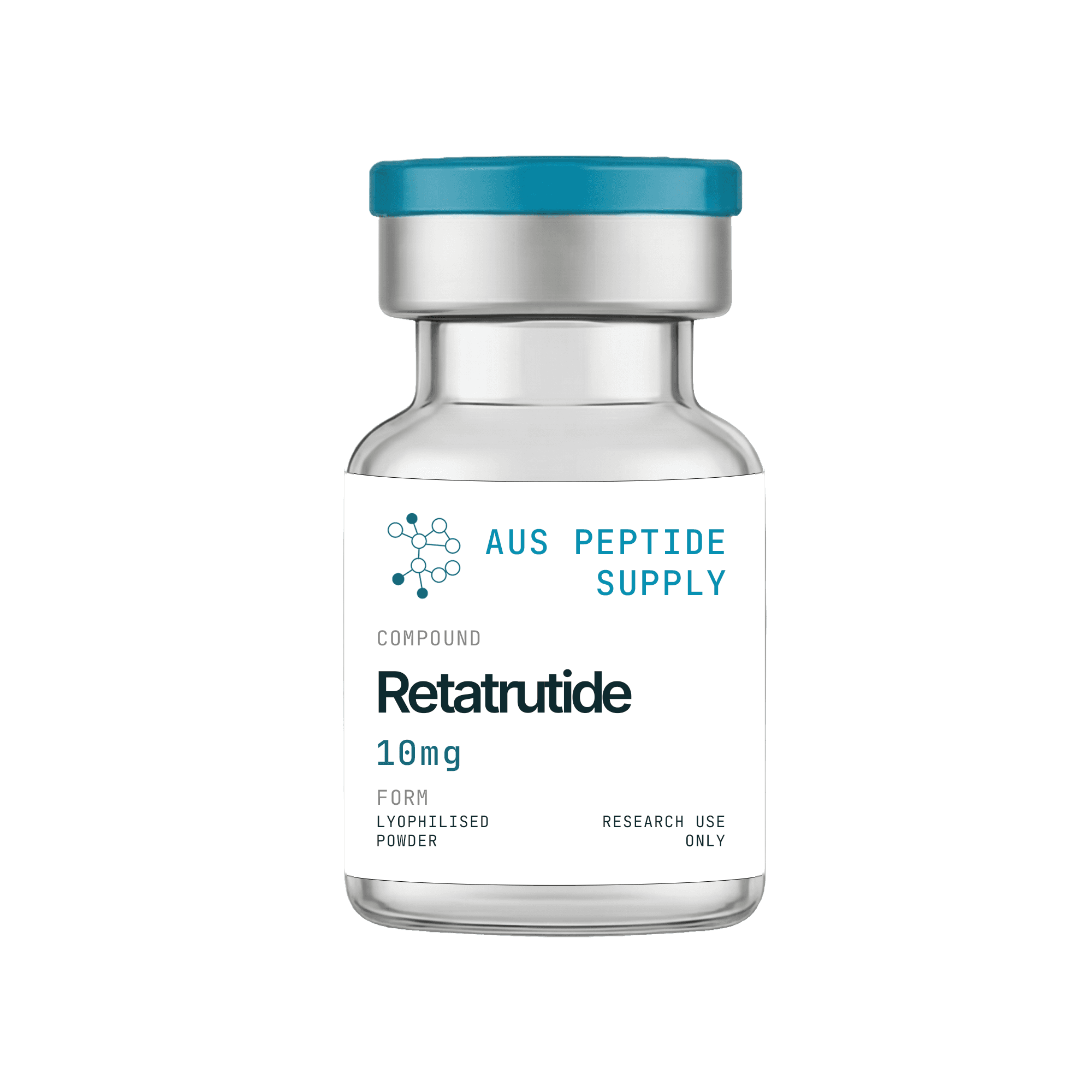
Research-material packaging and a finished delivery device should not be compared as if the container alone determines quality. A useful comparison starts with the exact preparation and the evidence supporting it.
What a vial tells you
A vial is a container. The record still needs to identify whether its contents are dry material or a solution, the stated quantity and form, the batch, and any applicable preparation instructions. Our supplier evaluation worksheet keeps these fields separate.
Why the formulation matters
Invitrogen's custom-peptide instructions describe lyophilised material and explain why charge, hydrophobicity, solvent compatibility and stability affect dissolution. That is a material-specific example. It does not establish that every dry vial is more stable than every liquid formulation, or assign a shelf life to an unrelated product.
What a delivery device does not establish
A product supplied in a pen does not become equivalent to a studied medicine merely because the format looks familiar. Likewise, supplying a material in a vial does not reproduce a clinical trial's formulation or evidence. Check the source record for the actual preparation used in the study.
The oral-versus-injectable evidence guide gives a worked example of why formulation-specific findings must retain their context.
Questions for a material assessment
- What exact molecule and form does the label identify?
- What preparation does the supporting study actually describe?
- Which analytical records relate to the supplied batch?
- What conditions are documented for handling, storage and transport?
- Which important properties remain untested or unspecified?
Where to check current compound information
For retatrutide, consult the source-led evidence dossier and follow its regulator and study links. This format explainer does not attempt to maintain a separate approval-status timeline.
For laboratory planning, continue to preparation records and storage documentation. The calculator can check nominal mass-and-volume arithmetic; it cannot select a compatible formulation.