This page previously presented a “best peptides” list. It now offers a way to evaluate the studies behind that search question. Research quality is assessed from the actual experiment; a commercial product ranking would require different evidence.
Three papers, three study records
| Studied molecule | Primary paper | Reading task |
|---|---|---|
| Semaglutide | 2021 overweight and obesity trial | Identify the participants, comparator and outcome definitions. |
| Tirzepatide | 2022 obesity trial | Check study duration, intervention and handling of missing data. |
| Retatrutide | 2023 phase 2 obesity trial | Retain the phase, sample and limitations alongside the result. |
Why headline percentages are not a league table
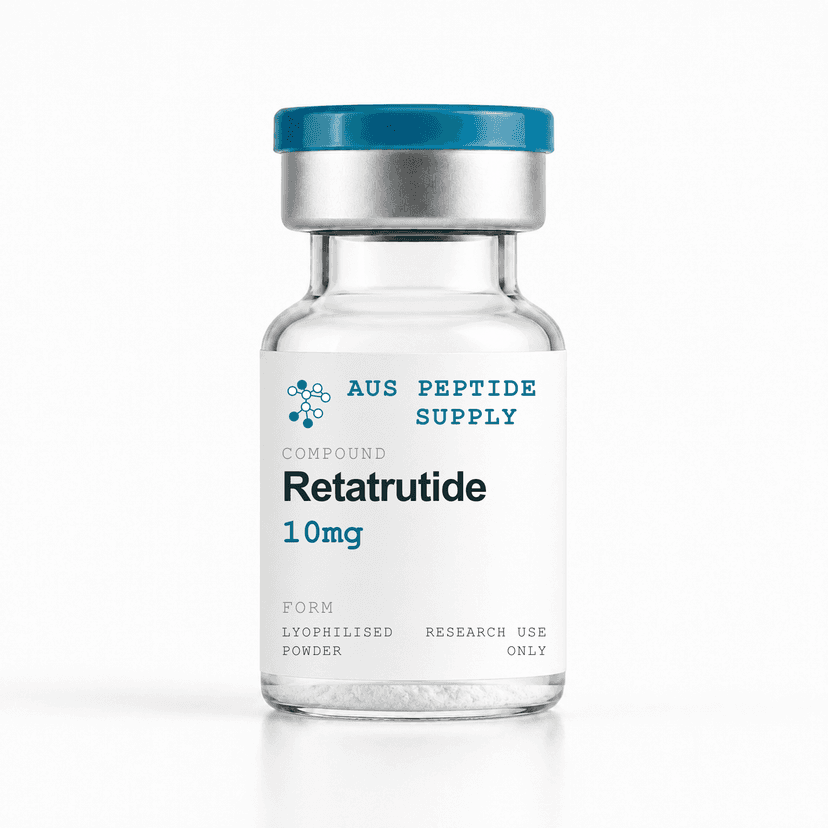
The retatrutide paper describes a randomised phase 2 study in 338 adults. It measured outcomes within its own protocol and reported adverse events as well as weight changes. It did not compare every product sold under a peptide label. Placing its result beside a percentage from another paper does not turn the two studies into a head-to-head trial.
Keep five details with every result
- The exact intervention and formulation.
- The study population and inclusion criteria.
- The comparator and design.
- The duration, endpoint and analysis method.
- Adverse findings, uncertainty and limits on generalisation.
For receptor-level orientation, read the GLP-1, GIP and glucagon comparison. For source-led compound records, use the retatrutide and tirzepatide dossiers. These resources answer related but distinct questions.
Separate study evidence from procurement
Clinical findings do not verify a supplier's batch identity or quantity. An analytical report does not establish the clinical result of a catalogue item. Use analytical report interpretation and the procurement worksheet for those separate assessments.